Will Titanium Round Bars Rust?
As a seasoned supplier of titanium round bars, I’m often confronted with a crucial question from potential clients and industry enthusiasts alike: Will titanium round bars rust? This inquiry isn’t merely a casual one; it delves into the core properties of titanium, which are fundamental to evaluating its suitability for various applications. In this blog, I aim to shed light on this topic, leveraging my years of experience in the titanium products industry. Titanium Round Bar
Understanding Rust and Corrosion
Before we explore whether titanium round bars rust, it’s essential to understand what rust is. Rust is a specific type of corrosion that occurs when iron or steel reacts with oxygen and water. The chemical reaction forms iron oxide, which appears as the familiar reddish-brown coating on the surface of iron-based metals. This process not only affects the aesthetics of the metal but also compromises its structural integrity over time.
Corrosion, on the other hand, is a more general term that refers to the deterioration of a material due to its interaction with its environment. It can occur in various forms and affect different types of metals, including non-ferrous ones like titanium.
The Unique Properties of Titanium
Titanium is a remarkable metal with several distinctive properties that set it apart from other materials, especially when it comes to corrosion resistance. One of the most significant features of titanium is its ability to form a thin, protective oxide layer on its surface when exposed to oxygen. This layer, composed of titanium dioxide (TiO₂), is extremely stable and adherent to the metal surface.
The formation of the titanium dioxide layer is a spontaneous process that occurs almost immediately upon contact with air or oxygen-containing environments. This layer acts as a barrier, preventing further oxidation of the underlying titanium metal. As a result, titanium exhibits excellent resistance to a wide range of corrosive agents, including water, saltwater, acids, and alkalis.
Titanium Round Bars and Rust Resistance
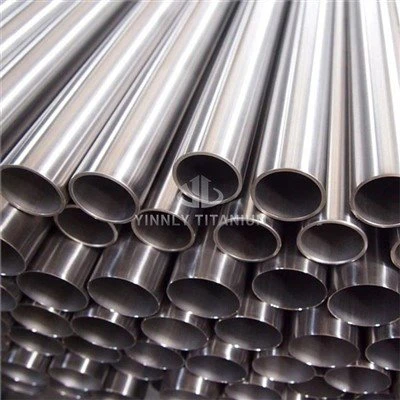
Given the properties of titanium, the answer to whether titanium round bars rust is a resounding no. Unlike iron and steel, titanium does not undergo the same oxidation process that leads to rust formation. The protective oxide layer on titanium round bars provides a high level of protection against corrosion, even in harsh environments.
For example, in marine applications where metals are constantly exposed to saltwater, titanium round bars are an ideal choice. Saltwater is highly corrosive and can cause rapid rusting of iron and steel components. In contrast, titanium round bars remain unaffected by the corrosive effects of saltwater, making them suitable for use in boat fittings, offshore oil and gas equipment, and other marine structures.
Another advantage of titanium round bars is their resistance to pitting corrosion. Pitting corrosion is a localized form of corrosion that occurs when small holes or pits form on the metal surface. This type of corrosion can be particularly problematic as it can lead to the failure of a component without significant visual warning. Titanium’s ability to resist pitting corrosion makes it a reliable choice for applications where the integrity of the metal is critical.
Factors Affecting Titanium’s Corrosion Resistance
While titanium round bars are highly resistant to corrosion, it’s important to note that certain factors can affect their performance. The condition of the protective oxide layer is crucial for maintaining corrosion resistance. If the oxide layer is damaged or removed, the underlying titanium metal becomes vulnerable to corrosion.
Physical damage, such as scratches or abrasions, can disrupt the oxide layer and expose the metal to the environment. In such cases, the oxide layer may reform, but if the damage is severe or the environment is particularly aggressive, corrosion may occur. Therefore, it’s important to handle titanium round bars with care during transportation, storage, and installation to avoid damage to the surface.
The chemical composition of the environment also plays a role in titanium’s corrosion resistance. Although titanium is resistant to many corrosive agents, there are some exceptions. For example, titanium can react with certain acids, such as hydrofluoric acid and hot concentrated sulfuric acid, under specific conditions. In these cases, the protective oxide layer may be attacked, leading to corrosion. Therefore, it’s important to consider the chemical compatibility of titanium round bars with the intended environment before use.
Applications of Titanium Round Bars
The excellent corrosion resistance of titanium round bars makes them suitable for a wide range of applications in various industries. Some of the common applications include:
Aerospace Industry
In the aerospace industry, weight reduction and high strength are crucial factors. Titanium round bars are used in aircraft components, such as landing gear, engine parts, and structural frames. Their high strength-to-weight ratio and corrosion resistance make them ideal for these applications, where reliability and performance are paramount.
Medical Industry
Titanium is biocompatible, which means it is well-tolerated by the human body. Titanium round bars are used in medical implants, such as orthopedic screws, plates, and dental implants. Their corrosion resistance and biocompatibility ensure the long-term stability and safety of these implants.
Chemical Industry
In the chemical industry, titanium round bars are used in equipment and pipelines that handle corrosive chemicals. Their resistance to corrosion makes them suitable for use in harsh chemical environments, where other metals would quickly deteriorate.
Sports and Recreation Industry
Titanium round bars are also used in the sports and recreation industry, particularly in high-performance bicycles, golf clubs, and tennis rackets. Their lightweight and high strength properties provide an advantage in these applications, allowing for improved performance and durability.
Conclusion

In conclusion, titanium round bars do not rust due to their unique ability to form a protective oxide layer on their surface. This layer provides excellent resistance to corrosion, making titanium round bars suitable for a wide range of applications in various industries. However, it’s important to handle them with care to avoid damage to the protective oxide layer and to consider the chemical compatibility of the environment before use.
Medical Titanium Wire If you’re in the market for high-quality titanium round bars, I invite you to reach out to discuss your specific requirements. Whether you’re working on an aerospace project, a medical application, or any other industry where corrosion resistance is crucial, our team of experts is here to provide you with the best solutions. Let’s start a conversation and find the perfect titanium round bars for your needs.
References
- "Titanium: A Technical Guide" by Ronald L. Boyer, George W. Welsch, E.W. Collings
- "Corrosion Resistance of Titanium" by L.L. Shreir, R.A. Jarman, G.T. Burstein
Baoji Yinnly Titanium Co., Ltd.
Baoji Yinnly Titanium Co., Ltd. is one of the most professional titanium round bar manufacturers and suppliers in China, featured by quality products and good service. Please rest assured to buy bulk titanium round bar in stock here and get quotation from our factory. Customized orders are welcome.
Address: Unit 902, Building 1, Creative Building, No. 195, Gaoxin Avenue, High-tech Zone, Baoji City, Shaanxi Province
E-mail: anna@yinnlyti.com
WebSite: https://www.yinnlyti.com/
