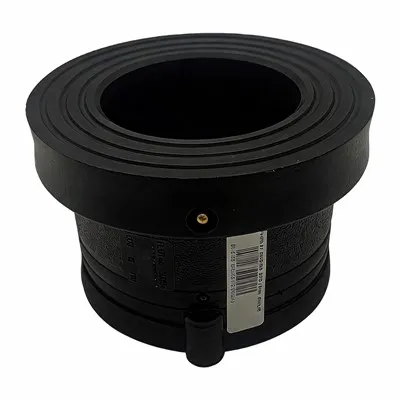
Installing PPR (Polypropylene Random Copolymer) fittings in a confined space can be a challenging yet rewarding task. As a PPR fittings supplier, I’ve witnessed firsthand the importance of proper installation in these types of environments. In this blog, I’ll share some valuable insights and practical tips on how to tackle this common issue, ensuring a smooth and efficient installation process. PPR Fittings
Understanding the Challenges of Confined Spaces
Confined spaces present unique challenges that can significantly impact the installation of PPR fittings. Limited access, restricted maneuverability, and poor visibility are just a few of the obstacles you may encounter. These challenges can make it difficult to handle tools, connect fittings, and perform quality checks. Moreover, working in cramped quarters can increase the risk of injuries and accidents, making it crucial to take extra precautions.
Planning Your Installation
Before you begin the installation process, it’s essential to plan thoroughly. Start by assessing the confined space and identifying any potential obstacles or hazards. Take accurate measurements to determine the exact length and size of the PPR pipes and fittings you’ll need. This will help you avoid unnecessary waste and ensure a proper fit.
Next, create a detailed installation plan that outlines the sequence of steps, the tools and equipment required, and the safety measures to be implemented. Consider factors such as the location of the main water supply, the position of fixtures, and any existing plumbing systems. By having a well-thought-out plan in place, you can minimize disruptions and ensure a more efficient installation.
Choosing the Right PPR Fittings
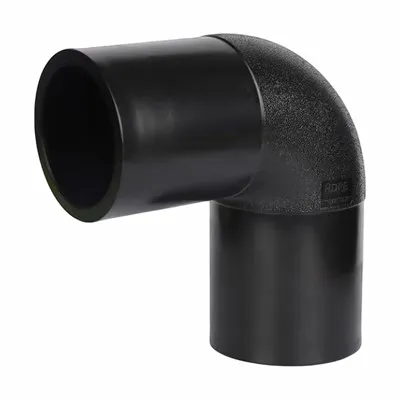
Selecting the appropriate PPR fittings is crucial for a successful installation in a confined space. Look for fittings that are specifically designed for use in tight areas, such as compact elbows, reducers, and tees. These fittings are typically smaller in size and more flexible, allowing you to navigate through narrow passages and corners.
In addition to size and flexibility, consider the quality and durability of the PPR fittings. Opt for fittings that are made from high-quality materials and meet industry standards. This will ensure that your plumbing system is leak-free and reliable in the long run.
Preparing the Work Area
Preparing the work area is an important step in any plumbing installation, but it’s especially crucial in confined spaces. Start by clearing the area of any clutter, debris, or obstacles that may impede your progress. This will give you more space to work and reduce the risk of accidents.
Next, ensure that the work area is well-ventilated. Confined spaces can trap harmful gases and fumes, which can pose a serious health risk. Use fans or open windows to circulate fresh air and remove any odors or pollutants.
Finally, take the time to protect the surrounding area from damage. Cover floors, walls, and furniture with drop cloths or plastic sheeting to prevent scratches, stains, or other types of damage. This will help you maintain a clean and professional work environment.
Installing the PPR Fittings
Once you’ve completed the planning and preparation stages, it’s time to start installing the PPR fittings. Follow these steps to ensure a successful installation:
- Cut the PPR Pipes: Use a high-quality PPR pipe cutter to cut the pipes to the desired length. Make sure the cuts are clean and straight to ensure a proper fit.
- Prepare the Fittings: Apply a thin layer of PPR solvent cement to the ends of the pipes and the inside of the fittings. This will help create a strong and leak-free bond.
- Connect the Fittings: Insert the pipe ends into the fittings and twist them slightly to ensure a uniform distribution of the solvent cement. Hold the pipes in place for a few seconds to allow the cement to dry.
- Check for Leaks: Once all the fittings are connected, turn on the water supply and check for any leaks. If you notice any leaks, use a PPR repair kit to fix them.
- Secure the Pipes: Use pipe clamps or brackets to secure the pipes in place. This will prevent them from moving or vibrating, which can cause leaks or damage to the fittings.
Working Safely in a Confined Space
Working in a confined space can be dangerous, so it’s important to take the necessary safety precautions. Here are some tips to help you stay safe:
- Wear Protective Gear: Always wear appropriate protective gear, such as safety glasses, gloves, and a hard hat. This will help protect you from injuries and hazards.
- Use Proper Tools and Equipment: Use tools and equipment that are designed for use in confined spaces. This will help you work more efficiently and safely.
- Have a Buddy System: Never work alone in a confined space. Always have a buddy with you who can assist you in case of an emergency.
- Follow Safety Procedures: Follow all safety procedures and guidelines when working in a confined space. This includes using proper ventilation, testing for hazardous gases, and following lockout/tagout procedures.
- Be Prepared for Emergencies: Have an emergency plan in place and make sure you know how to use the emergency equipment, such as fire extinguishers and first aid kits.
Troubleshooting Common Issues
Even with careful planning and preparation, you may encounter some common issues during the installation of PPR fittings in a confined space. Here are some tips on how to troubleshoot these issues:
- Leaking Fittings: If you notice any leaks, turn off the water supply and check the fittings for any loose connections or damage. Tighten the fittings using a wrench or replace any damaged parts.
- Blocked Pipes: If the pipes are blocked, use a plumbing snake or a high-pressure water jet to clear the blockage. Make sure to follow the manufacturer’s instructions when using these tools.
- Poor Water Flow: If the water flow is poor, check the pipes for any kinks or restrictions. You may also need to clean the aerators or replace the showerheads to improve the water flow.
- Cracked or Broken Pipes: If the pipes are cracked or broken, turn off the water supply and replace the damaged sections. Use a PPR repair kit to make the repairs.
Conclusion
Installing PPR fittings in a confined space can be a challenging task, but with the right knowledge, tools, and techniques, it can be done safely and efficiently. By following the tips and guidelines outlined in this blog, you can ensure a successful installation and avoid common issues.
Butt Fusion Fittings If you’re in need of high-quality PPR fittings for your next project, I encourage you to contact me. As a reliable PPR fittings supplier, I offer a wide range of products at competitive prices. Whether you’re a professional plumber or a DIY enthusiast, I can help you find the right fittings for your needs. So, don’t hesitate to reach out and start a conversation about your procurement requirements.
References
- Bannister, P., & Budgen, D. (2018). Plumbing Engineering Services. Routledge.
- Hacker, B. (2019). Pipes and Fittings in Building Services. John Wiley & Sons.
- Koech, J. K., & Kanyi, M. K. (2016). Installation and Maintenance of Plumbing Systems. African Books Collective.
Qingdao Polyfusion Machinery Co., Ltd.
As one of the most professional PPR fittings manufacturers and suppliers in China, we have world-leading production equipment and strong manufacturing capabilities. Please feel free to buy bulk high quality PPR fittings from our factory.
Address: Chengyang Industry Zone, Chengyang, Qingdao, Shandong, China
E-mail: export01@qdpolyfusion.com
WebSite: https://www.polyfusionfittings.com/
