Over the past few decades, transistors have been the cornerstone of modern electronics, powering everything from smartphones to supercomputers. As a leading transistors supplier, I’ve witnessed firsthand how these tiny components have transformed the technological landscape. In this blog post, I’ll delve into the potential evolution of transistors in the next decade, exploring the trends, challenges, and opportunities that lie ahead. Transistors
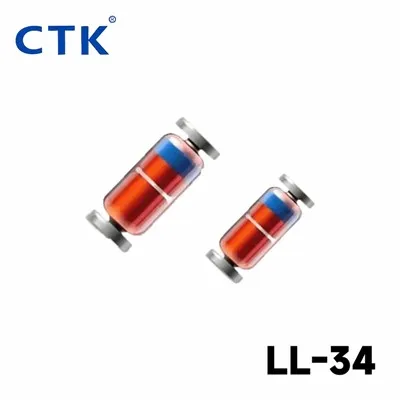
Current State of Transistors
Before we look into the future, it’s essential to understand the current state of transistor technology. Today, the most common type of transistor used in integrated circuits is the complementary metal-oxide-semiconductor (CMOS) transistor. CMOS transistors have been the workhorse of the semiconductor industry for decades due to their low power consumption, high-speed operation, and scalability.
Advancements in semiconductor manufacturing processes have allowed for the continuous miniaturization of CMOS transistors, following Moore’s Law. This trend has enabled the development of increasingly powerful and energy-efficient electronic devices. However, as transistors approach the physical limits of miniaturization, new challenges and opportunities are emerging.
Challenges Facing Transistor Technology
One of the primary challenges facing transistor technology is the growing threat of quantum effects at the nanoscale. As transistors become smaller, quantum tunneling, where electrons can pass through barriers that they would not be able to cross according to classical physics, becomes a significant issue. This can lead to increased leakage current, power consumption, and decreased performance.
Another challenge is the increasing heat dissipation problem. As the density of transistors on a chip continues to increase, so does the amount of heat generated. Effective heat management has become a critical issue in the design of high-performance integrated circuits, as excessive heat can degrade performance and reliability.
In addition, the cost of semiconductor manufacturing equipment and the complexity of the manufacturing process are also becoming major barriers to further miniaturization. Developing new manufacturing technologies and materials requires significant investment and expertise, which may limit the pace of innovation in the industry.
Future Trends in Transistor Technology
Despite these challenges, there are several promising trends that could shape the evolution of transistors in the next decade.
1. New Materials and Device Structures
One of the most promising approaches to overcoming the limitations of traditional CMOS technology is the exploration of new materials and device structures. For example, researchers are investigating the use of two-dimensional materials such as graphene, molybdenum disulfide (MoS₂), and hexagonal boron nitride (h-BN) as potential alternatives to silicon in transistor fabrication. These materials offer unique electrical and mechanical properties, such as high carrier mobility, atomic thinness, and flexibility, which could enable the development of ultra-thin, high-performance transistors.
In addition to new materials, novel device structures are also being explored. For instance, nanowire transistors, tunneling field-effect transistors (TFETs), and spin-based transistors are all being investigated as potential successors to traditional CMOS transistors. These device structures offer the potential to overcome the limitations of CMOS technology, such as reducing power consumption and improving performance.
2. Three-Dimensional Integration
Another trend in transistor technology is the move towards three-dimensional (3D) integration. Instead of packing transistors in a two-dimensional plane, 3D integration allows for the stacking of multiple layers of transistors on top of each other. This approach not only increases the packing density of transistors but also reduces the length of interconnects between transistors, which can improve performance and reduce power consumption.
In addition to increasing packing density, 3D integration also offers the potential for heterogeneous integration, where different types of devices, such as transistors, memory, and sensors, can be integrated on the same chip. This can enable the development of more powerful and多功能的 electronic devices.
3. Artificial Intelligence and Machine Learning
Artificial intelligence (AI) and machine learning (ML) are also expected to play a significant role in the evolution of transistor technology. AI and ML algorithms can be used to optimize the design and performance of transistors and integrated circuits. For example, these algorithms can be used to predict the behavior of transistors at the atomic scale, optimize the layout of transistors on a chip, and detect and diagnose manufacturing defects.
In addition, the demand for high-performance computing in AI and ML applications is driving the development of specialized transistors and integrated circuits. For example, graphics processing units (GPUs) and tensor processing units (TPUs) have been developed specifically to accelerate AI and ML workloads. These devices typically use specialized transistor architectures and circuit designs to achieve high performance and energy efficiency.
4. Internet of Things (IoT) and Edge Computing
The IoT and edge computing are another major driving force behind the evolution of transistor technology. The IoT is expected to connect billions of devices in the next decade, ranging from smart home appliances to industrial sensors. These devices require low-power, low-cost, and high-performance transistors to operate efficiently.
Edge computing, which involves processing data closer to the source rather than sending it to a centralized cloud server, also requires specialized transistors and integrated circuits. Edge devices need to be able to perform complex computations with limited power and resources, which requires the development of energy-efficient transistors and circuit designs.
Opportunities for Transistors Suppliers
As a transistors supplier, these trends present both challenges and opportunities. On the one hand, the increasing complexity and diversity of transistor technology require us to invest in research and development to stay ahead of the curve. On the other hand, these trends also create new market opportunities for us to expand our product portfolio and serve new customers.
For example, the growing demand for transistors in AI, ML, IoT, and edge computing applications presents an opportunity for us to develop specialized products that meet the specific requirements of these applications. By working closely with our customers and partners, we can develop customized solutions that offer high performance, low power consumption, and cost-effectiveness.
In addition, the trend towards 3D integration and heterogeneous integration also creates opportunities for us to expand our manufacturing capabilities. By investing in new manufacturing technologies and equipment, we can offer our customers more advanced packaging and integration solutions, which can help them to achieve higher performance and functionality in their products.
Conclusion
In conclusion, the next decade is likely to be a period of significant change and innovation in transistor technology. While there are challenges to overcome, such as the limitations of traditional CMOS technology and the increasing complexity of semiconductor manufacturing, there are also many promising trends and opportunities on the horizon.
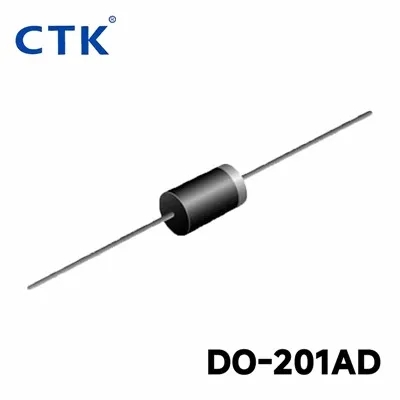
As a leading transistors supplier, we are committed to staying at the forefront of these trends and investing in the research and development of new transistor technologies. By working closely with our customers and partners, we can develop innovative solutions that meet the evolving needs of the electronics industry.
Low Voltage Mosfet If you’re interested in learning more about our transistor products and solutions, or if you’re looking for a reliable transistors supplier for your next project, please don’t hesitate to contact us. We look forward to discussing your requirements and exploring how we can work together to achieve your goals.
References
- International Technology Roadmap for Semiconductors (ITRS)
- IEEE Electron Device Society publications
- Nature Electronics
- Scientific American articles on semiconductor technology
Tongke Electronic Co., Ltd
Tongke Electronic Co., Ltd. is one of the most experienced transistors manufacturers and suppliers in China, featured by quality products and low price. Please rest assured to wholesale advanced transistors made in China here from our factory. Contact us for pricelist.
Address: No.3,Chayuan Rd, Street 3, AilingKan, Dalingshan, Dongguan, Guangdong, China.
E-mail: jack@ctk-elec.com
WebSite: https://www.ctkchip.com/
