Hey everyone, let’s cut to the chase—if you’re a brand owner in the beauty space, you’ve probably stared at a stack of cosmetic prototypes and asked: “Can folding cartons really work here?” I’m the guy who’s been supplying folding cartons for over a decade now, and honestly? I get it. You’ve got sleek glass bottles, fancy tubes, and you’re worried that a plain old folded box will look cheap, flimsy, or not do your product justice. Let me break this down straight—no sales fluff, no confusing jargon, just real talk from someone who’s seen this question a hundred times. Folding Carton
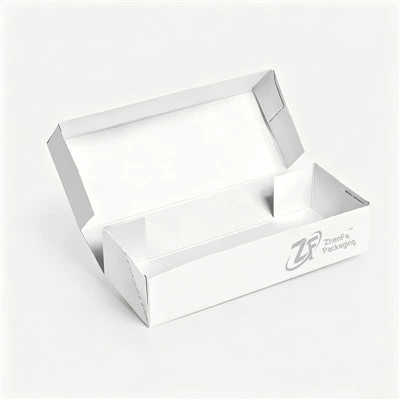
First, let’s clear up the biggest myth: folding cartons aren’t the basic, flimsy boxes you used for cereal as a kid. Today’s folding cartons are engineered for cosmetics specifically. Let’s start with function, because that’s where beauty brands fail if they skip the right packaging. Cosmetics aren’t just a tube of lipstick or a jar of face cream—they’re fragile. Think about a liquid foundation bottle: glass is smooth, but if it slides around in packaging during shipping, it cracks. Or a sheet of eyeshadow powder: one tiny shift in transit and it crumbles into a useless mess. Folding cartons have built-in structural features we design just for this. We add custom die cuts for inserts—neoprene pads, cardboard blisters, even molded pulp slots—to hold every product in place. I worked with a indie beauty brand last year that was losing 8% of eyeshadow palettes to breakage before switching to our cartons with custom die-cut foam inserts. Within three months, that number dropped to 0.5%. That’s not luck—that’s how cartons work for cosmetics.
Then there’s print and branding, which is make-or-break for beauty. You know how brands go all out on Instagram feeds, influencer unboxings, and in-store displays? Your packaging has to hold up to that. Folding cartons can be printed with literally any finish you want. Matte, glossy, soft-touch coating, foil stamping, embossing, UV spot gloss—we even do holographic accents now for high-end skincare. Last quarter, a clean beauty brand wanted cartons that felt “natural” but still looked luxe; we paired 100% recycled cardboard with a soft matte finish and a subtle embossed logo, and their sales team said customers picked their product off store shelves 3x more than the competing brand with plain glass packaging. Why? Because the carton felt intentional, not just a afterthought. The cool part is, folding cartons are customizable on small runs too—no need for a 10,000 unit minimum if you’re a startup testing a new line. A lot of new beauty founders choose cartons exactly because they can adjust the design, size, and finish without breaking the bank.
Wait, but what about sustainability? That’s a non-negotiable for most beauty brands now, right? Consumers care more than ever about packaging that doesn’t end up in a landfill. Folding cartons are one of the most recyclable packaging materials out there. They’re made from paper-based fibers—most can be recycled curbside, no special steps. We also offer FSC-certified cartons for brands that want to prove their materials come from responsibly managed forests, and 100% recycled cardboard for the eco-conscious crowd. I’ve had clients tell me their customers specifically mention the packaging sustainability in reviews—one serum brand’s unboxing videos even highlighted that the carton was recyclable, which drove a ton of new followers. Compare that to, say, plastic tubes or glass bottles—those can be harder to recycle, depending on where you live. Cartons check that box easily.
But hold on, let’s be real—folding cartons aren’t for every single cosmetic product. I won’t pitch something that doesn’t fit a brand. For example, if you’re selling a 50ml face serum in a delicate, spherical glass bottle, a carton works perfectly as outer packaging—you don’t put the serum inside the carton itself, you put the glass bottle in the carton. But if you’re selling a loose powder pot, or a lip balm, or even a small skincare set, cartons can hold the product directly too. The key is sizing and structure. We work with every brand to tweak the design so the carton doesn’t feel cramped, doesn’t shift, and doesn’t look like an afterthought. Another thing: product protection from light. A lot of cosmetics—serums, vitamin C products, lip oils—break down when exposed to light. We can line folding cartons with a thin, light-blocking layer (usually aluminum foil or a coated film) to keep those ingredients stable. That’s a feature a lot of people don’t know about—cartons aren’t just for looks, they’re functional for preserving product efficacy too.
Let’s talk about cost, because that’s another big factor. When brands compare packaging options, they usually look at upfront costs, shipping costs, and waste. Folding cartons win here too. They’re lightweight—way lighter than glass, which means lower shipping fees. If you’re sending products to retailers or directly to customers, every pound saved adds up. We’ve had a mid-sized brand switch from glass outer packaging to our cartons and cut their shipping costs by 15% in the first month. Also, folding cartons are flat when they’re not assembled—so storage is way easier. You don’t need a huge warehouse full of bulky, pre-assembled boxes. You can store thousands of flat cartons in a small space, and assemble them just before you need to pack products. That’s a huge win for startups or small brands with limited space and budget.
Now, let’s address the downsides, because no packaging is perfect. Some brands worry that cartons don’t feel “premium” enough compared to, say, luxury metal tins or frosted glass. But that’s all in how you design them. The soft-touch finish I mentioned earlier? It makes a carton feel as nice as a metal tin. Foil stamping and embossing add that high-end look without the price tag of metal. I’ve seen drugstore brands use cartons to look more premium, and luxury brands use cartons for limited edition lines. Another con: if your product is super heavy, cartons might not hold up alone. But we add corrugated layers for heavy products—wait, no, not regular corrugated, we use thin, high-strength corrugated board that’s still lightweight. A 100ml body butter pot is heavy, but a custom carton with a reinforced base holds it just fine. We tested that with a body care brand last year and they had zero returns from broken packaging.
So, when is a folding carton the right choice for your cosmetic line? Let’s list it out: if you need to protect fragile products (glass bottles, palettes, pressed powders), if you want to boost brand branding and unboxing experience, if sustainability is a priority, if you need to save on shipping and storage costs, or if you’re a startup on a tight budget. When might you want another option? If you’re selling a product that needs total light blocking (we can fix that with inner lining, so that’s almost never a dealbreaker) or if your product is extremely heavy (we can reinforce). Wait, no, even heavy products work with reinforced cartons. I think the only real case where cartons don’t make sense is if your product is a solid, heavy item that needs structural support on its own—like a heavy stone tool for makeup, not a cosmetic product. For every other cosmetic, cartons are a solid, versatile option.
At the end of the day, the beauty industry is all about balance. You want packaging that looks good, works for the product, doesn’t cost too much, and doesn’t hurt the planet. Folding cartons check all those boxes. I’ve worked with brands that started out using plastic packaging, switched to cartons, and saw a 10% boost in customer retention because of the unboxing experience. Another brand told me their wholesale buyers specifically requested cartons because they take up less shelf space and are easier to stack than bulky glass boxes.
If you’re reading this and still on the fence, that’s totally normal. A lot of brands overthink packaging, but the best way to know is to test it. We work with every brand to create a custom sample—you can see the finish, feel the carton, test how it holds your product. No pressure, no fine print.
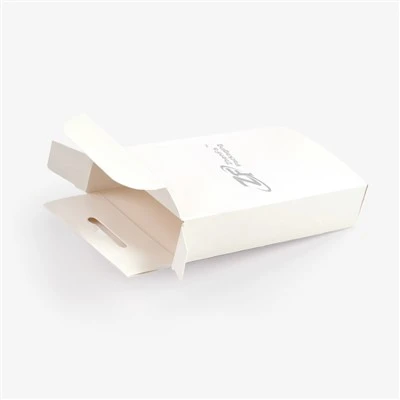
If you’re a cosmetic brand owner looking to upgrade your packaging, or just tired of dealing with flimsy, overpriced packaging that doesn’t work, reach out. We don’t do generic one-size-fits-all cartons—we design each one around your product, brand, and budget. Whether you’re a startup launching your first lip gloss line or a mid-sized brand expanding your skincare range, we’ve got you. Don’t waste another shipment dealing with broken products, or another dollar on packaging that doesn’t boost your brand. Hit us up to chat through your needs, and we’ll put together a solution that works.
Corrugated Box References:
- Paper Packaging Federation. (2022). Folding Cartons as Sustainable Cosmetic Packaging: Market Trends and Performance Data.
- Beauty Packaging Association. (2023). Structural Design Best Practices for Fragile Cosmetic Products in Folding Cartons.
- Sustainable Packaging Coalition. (2021). Life Cycle Assessment of Paper-Based Packaging for Personal Care Products.
- Packaging Digest. (2022). Cost-Benefit Analysis of Folding Cartons vs. Alternative Cosmetic Packaging Materials.
Wenzhou Zhenfa Packaging Co., Ltd.
As one of the most professional folding carton manufacturers and suppliers in China, we have world-leading production equipment and strong manufacturing capabilities. Please feel free to wholesale bulk advanced folding carton in stock here from our factory. Also, quotation is available.
Address: Room 105, Building 10, Century Science and Technology Entrepreneurship Park, Longgang City, Wenzhou City, Zhejiang Province
E-mail: ZhenfaPackaging@outlook.com
WebSite: https://www.cnzhenfa.com/
