If you’ve ever handed a kid’s coloring sheet to a friend only to watch it tear halfway through, or seen a marketing poster fade after a week of hanging by a sunny storefront, you know how frustrating it is when paper projects, labels, or documents don’t hold up. As someone who’s been in the thermal lamination film supply business for over a decade, I’ve talked to hundreds of people—from small business owners and school administrators to event planners and printing shops—who’re tired of wasting money on materials that can’t stand up to daily wear and tear. A lot of them ask me: “What’s the big deal with thermal lamination film anyway? Is it worth the cost?” Let me break down the real, practical advantages that make this product non-negotiable for so many industries, and why it’s a better investment than you might think. Thermal Lamination Film
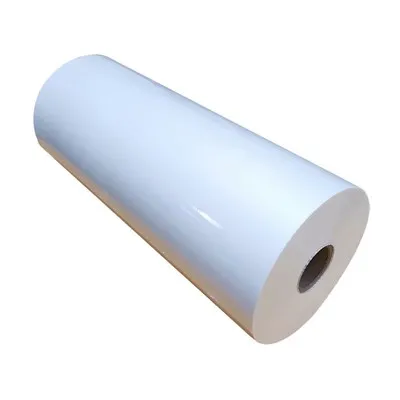
First, let’s get the basics straight: thermal lamination film is a thin, plastic-based sheet that’s bonded to the surface of paper or cardstock using heat and pressure, usually with a thermal laminator. Unlike cold lamination, which uses an adhesive and is thicker for heavy-duty projects, thermal lamination works on a wide range of materials, from 20-pound printer paper to thick cardstock, and it sets in seconds, no messy drying time needed. But the benefits go way beyond just making a printed sheet feel smooth. The biggest one, in my experience, is unmatched durability. Paper is porous, which means it absorbs moisture, oils, and small amounts of physical force way too easily. Laminating with our thermal film creates a waterproof, tear-resistant barrier around the material. I remember a customer a few years back who ran a small café—they made table tents with daily specials and had a problem with coffee spills, kids grabbing them and crumpling them, and even rain seeping in when staff moved tables outside for weekend brunch. Before they started laminating, their table tents lasted about three days on average; after switching to our standard 3-mil thermal film, they’re still in perfect shape for two weeks, even with regular spills and use. That’s not a small win for a small business—they went through half as many table tents each month, saving them almost $200 a month on that single supply. And it’s not just for F&B places: schools use laminating to make classroom posters, flashcards, and hall passes that kids can carry in backpacks without tearing; construction crews laminate safety signs that get rained on and dragged through mud; event planners use it for name tags that attendees pick up and pass around all day. The tear and water resistance here isn’t a gimmick—it’s a tangible cost saver.
Another huge advantage is UV protection, which is something a lot of people overlook when they’re picking out lamination film. Traditional paper ink, especially the water-based inks used in home printers and many small commercial presses, fades quickly when exposed to direct sunlight. A poster taped to a store window will start to look washed out in as little as two weeks if it’s not protected. Our thermal lamination film with built-in UV inhibitors blocks up to 99% of harmful UV rays, which means your printed materials stay vibrant for months, even when hung outdoors or near a south-facing window. I had a retail client last year who sold handcrafted jewelry and printed large posters of their products for their shop front. Before they switched to UV-protective laminating film, their product posters would fade so much in a month that customers would ask if the jewelry was the same color as the poster, because the print had dulled. After laminating, the posters stayed exactly as bright as the day they were printed, even through summer’s intense sun. They told me it increased their sales by about 12% because customers could clearly see the colors of the jewelry from the sidewalk, instead of glancing at a faded, unrecognizable print. That’s a big difference that comes from a layer of film most people don’t even think to add.
Consistency is another advantage that makes thermal lamination film stand out, especially for businesses that do high-volume printing. When you buy thermal film from a reliable supplier, you get a uniform product every time—same thickness, same adhesive strength, same clarity, no defects like uneven thickness or edges that don’t cut cleanly. Cheap, off-brand thermal film might look like a deal at first, but I’ve seen too many customers end up with layers that bubble in the middle of a project, or adhesive that doesn’t bond properly, leaving parts of the print peeling off. For a print shop that’s running 1,000 name tags for a conference, a bubble in even one tag means extra work reprinting it, which costs time and money. Our thermal film is tested in our own facilities to ensure that every roll heats evenly, bonds to paper smoothly, and has a sharp, non-yellowing clarity that doesn’t distort the image underneath. That consistency isn’t just a nice-to-have—it’s critical for businesses that can’t afford rework or unhappy customers. We’ve worked with print shops that used to go through three different suppliers a year because of bad film, and since switching to ours, their laminator downtime for film-related issues has dropped by 90%, which translates to more jobs completed on schedule and higher customer satisfaction.
Thermal lamination film also opens up a lot of creative and functional possibilities that plain paper can’t. Because it’s a thin, flexible but durable layer, you can use it for projects that need to be both functional and a little fancy. For example, wedding invitations: laminating a save-the-date or invitation gives it a smooth, polished feel that feels more high-end than plain cardstock, and it’s resistant to smudges from fingers or spills at the wedding reception. We also supply specialty films: matte finish for a more understated, professional look that’s not shiny, and self-laminating film for small, quick projects like ID cards or little kids’ crafts that don’t need a full laminator. A lot of teachers use self-laminating thermal film for make-your-own bookmarks for their students—kids can decorate a piece of paper, run the film over it themselves, and have a durable bookmark that they can use for months. That versatility means thermal lamination film isn’t just for big business or industrial projects; it’s useful for everything from a kid’s homework project to a high-end corporate report cover.
Wait, but what about people who worry about the environmental impact of plastic films? I get that question a lot, especially from schools and eco-focused businesses. The good news is that a lot of thermal lamination film options now are recyclable, if you use the right facilities, and more suppliers are developing compostable thermal film that breaks down over time. We offer both standard recyclable thermal film and a plant-based compostable option for customers who prioritize sustainability. I’ll be honest: it’s not as simple as recycling a paper document, and you can’t just throw a laminated sheet in your curbside bin (it has to go to a specialized plastic-paper recycling facility), but it’s a much better option than tossing a whole poster or document in the trash every few weeks. For customers who ask about this, I also tell them that the cost savings from using durable laminating film far outweigh the environmental impact of reprinting materials every few weeks—less paper waste overall means a smaller carbon footprint, even with the plastic layer. It’s a balance, but modern thermal film options have come a long way in addressing those concerns.
Let me also talk about one of the underrated advantages: ease of storage. Thermal lamination film rolls are compact, easy to store in a supply closet, and don’t require any special handling—no cold storage, no messy liquids, just roll them out when you need them. Compared to cold lamination systems, which need bottles of adhesive and can take up a lot of space, thermal lamination is super low-maintenance. A small business can keep a laminator and a few rolls of film on a countertop in a back office, and they’re ready to go any time. That’s a big plus for people who don’t have a lot of extra space or staff to handle complicated lamination processes. I’ve had a startup marketing company tell me that they used to outsource all their lamination work, which added $50-$100 per job to their costs. Buying a basic laminator and a few rolls of our film cost them less than one month’s outsourcing fees, and they can laminate any project in-house now. That’s a return on investment that happens in just a few weeks, not years.
Now, let’s address a common misconception: some people think laminating is only for large, industrial projects, but that’s just not true. Whether you’re laminating a single recipe card for your kitchen, a set of flashcards for a toddler, or a 10-foot trade show banner, thermal lamination film can be adapted. We carry film from 1.25 mil (super thin, for light, temporary projects) up to 10 mil (heavy-duty, for signs that get constant use). For a homeowner who wants to laminate their kid’s soccer team roster so it doesn’t tear on the field, the 3-mil film is more than enough, and it’s cheap enough to do 10 or 15 rosters for under $20. For a construction company that needs safety signs that last for a year on a busy job site, the 10-mil film is worth the extra cost because it won’t scratch or peel off even if a forklift bumps it. That flexibility means thermal lamination film works for every budget and every project, no matter how big or small.
Over the years, I’ve seen how a lot of people undervalue this small supply, but the advantages add up quickly. It’s not just about making a printed sheet look nice—it’s about saving money, reducing waste, protecting your important materials, and even boosting your brand’s visibility. A faded poster won’t draw in customers, a torn flashcard won’t help a kid learn, and a crumpled table tent will make your café look unprofessional. Thermal lamination film solves all those small, annoying problems that add up to big impacts for businesses and individuals.

If you’re still using plain paper or cheap, off-brand lamination film, it’s worth taking a look at what our thermal lamination film can do for you. Whether you’re a small business owner looking to cut supply costs, a teacher tired of reprinting classroom materials, a print shop looking to reduce rework, or anyone who wants their projects to last, we can help you find the right film for your needs. We work with customers of all sizes, from one-person home-based businesses to large retail chains, and we can answer any questions you have about thickness, UV protection, sustainability, or how to get started with thermal lamination. Don’t keep wasting money on materials that don’t hold up—reach out to us to discuss your project needs and find the right thermal lamination film for you.
Soft Touch Laminating Film References:
- National Printing Equipment Association. (2022). Lamination Best Practices for Commercial Printing. NPEA Technical Guide Series.
- Sustainable Packaging Coalition. (2021. Thermal Lamination Film: Environmental Impact and Recycling Options. SPC Report on Flexible Packaging Materials.
- U.S. Small Business Administration. (2023). Cost-Saving Strategies for Small Office Supplies. SBA Small Business Operations Manual.
- International Sign Association. (2022). Outdoor Sign Durability: UV Protection and Weather Resistance. ISA Industry Standards for Signage.
- Educational Technology and Media Association. (2021). Durable Materials for K-12 Classroom Resources. ETMA Guide for Print and Supply Management.
Yantai Hongqing Packing Material Co., Ltd.
Yantai Hongqing Packing Material Co., Ltd. is one of the most professional thermal lamination film manufacturers and suppliers in China, also supports customized service. Welcome to wholesale advanced thermal lamination film made in China here and get quotation from our factory. Quality products and reasonable price are available.
Address: Eastern Industrial Park, Taocun, Yantai, Shandong Province, China
E-mail: cindy@ythongguang.cn
WebSite: https://www.hqingnewmat.com/
