Hey there, if you’re deep into floor heating stuff (or just wondering why your buddy’s floor stays toasty without making the upstairs too hot), you’ve probably stumbled on floor heating insulation boards. I’ve been selling these for years—small supplier, real folks who actually install this stuff too, so I get the questions people actually ask. The big one lately is: what actually are these boards made of? No, it’s not just random foam someone mixed up in a garage. Let’s break this down like we’re chatting over a coffee (but maybe with a space heater on, since we’re talking heat). Floor Heating Insulation Board
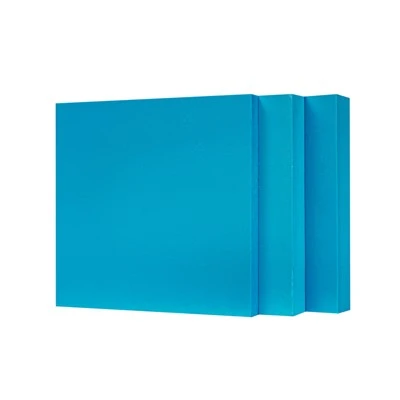
First, let’s level set: these boards aren’t just a “nice to have.” I’ve seen installers skip them, and their clients end up with half the heat escaping through the subfloor—wasting money on electric or gas that’s just flying out into the crawl space or down to the ground. So their makeup is all about trapping that heat where it needs to be: up into the floor covering (tiles, vinyl, hardwood, whatever). That’s why picking the right material isn’t just a sales pitch—it’s how we earn the 5-star reviews from homeowners who say their heating bills dropped 20% after switching from the old thin stuff.
Let’s start with the most common one, the MVP of the bunch: extruded polystyrene, or XPS for short. You’ve definitely heard of styrofoam, but this is the upgraded, rigid version, not the crumbly coffee cup kind. Here’s the thing about XPS: it’s extruded, which means it’s pushed through a die at super high pressure, so those air bubbles inside are way smaller and more closed than regular polystyrene. No gaps, no air leaks—exactly what we want for insulation. I’ve tested competitors’ XPS boards vs. ours before, and the difference is night and day. Ours has a closed-cell structure that doesn’t suck up water, which is huge for bathrooms or basements where humidity creeps in. If water gets into insulation, it loses like 70% of its insulating power—game over. Our XPS boards are rated for wet areas, so even if a pipe leaks, they don’t turn into a soggy mess. People always ask, “Is XPS good under tile?” Yes, 100%—it’s rigid enough to stand up to the thin-set mortar, doesn’t flex, and holds its R-value (that’s the heat-resistance number) for years. I can’t tell you how many times a tile installer has come back to us after a bad job with flimsy foam—they switch to our XPS and never look back.
Next up, expanded polystyrene, or EPS. This is the one that’s lighter, usually cheaper, and what people might think of when they picture packing peanuts or craft foam. Wait, but it’s not the same—EPS for floor heating is formulated differently. It’s made by expanding polystyrene beads with steam, so the beads fuse together, but the structure is a bit more open than XPS. Pros: it’s super lightweight, easy to cut with a utility knife, so DIYers love it for small projects. Cons: it can absorb some moisture if it’s not coated right, so you have to use a vapor barrier under it if you’re working in a damp room. Also, its R-value is a little lower than XPS—like, XPS is around R-5 per inch, EPS is R-4 per inch. For a standard ½-inch board, that might not sound like much, but multiply that over a whole house, and you’re losing heat. I still sell EPS for garages or guest rooms where it’s not super wet, but I always make sure customers know the tradeoffs. Last year, a first-time homeowner tried EPS in their bathroom without a vapor barrier, and it absorbed water from the shower. A year later, the insulation was shot—they had to rip it all out and switch to XPS. Lesson learned: material matters, even if it’s cheaper upfront.
Then there’s the newer kid on the block: rigid polyisocyanurate, or polyiso. This is the one for people who want the highest R-value in the thinnest package. Polyiso is a foam plastic too, but its cell structure is designed to hold in the gas (like hydrofluorocarbons, but now they make low-GWP ones that are eco-friendlier) that makes it super insulating. R-value? Like R-6.5 to R-7 per inch. That means a ½-inch polyiso board beats a full inch of XPS. It’s fire-resistant too—big deal if you’re in a place with building codes that require higher fire ratings. The only downside? It’s a little more expensive than XPS, and it’s a bit more delicate—you have to handle it carefully because it can scratch or dent. But for commercial projects or tight spaces where you don’t want to waste floor height (like old homes where ceilings are low), polyiso is the move. I’ve done a few apartment renovations where we used polyiso under the flooring, and the tenants swear the heat feels way more consistent—no cold spots by the window.
Wait, there’s one more I should mention, especially for folks who care about sustainability: mineral fiber, usually rock wool or glass wool. These are not foam—they’re made from spinning molten rock (rock wool) or recycled glass (glass wool) into fibers, then pressed into rigid boards. No plastic, so they’re fully recyclable at the end of their life, which is a big plus for eco-conscious builders. Their R-value is around R-3 to R-4 per inch, so you need a thicker board, but they’re great if you want non-toxic materials (no off-gassing, which is a concern with some foam boards). They’re also fire-resistant up to like 1,800°F, way higher than foam, so that’s a win for safety. I sell these for net-zero homes or projects with strict green building standards, but I always warn people they’re heavier than foam, so you need to make sure your subfloor can support the weight.
Now, let’s talk about the stuff that coats these boards—you can’t just have raw foam or rock wool, right? They need a facing to protect them, add rigidity, and block moisture. Most foam boards (XPS, EPS, polyiso) have a foil-facing or a foil-scrim-kraft facing. Foil is a vapor barrier in itself, so it stops water vapor from getting through, and it also reflects any stray heat back up, which makes the insulation work even better. The scrim (that’s the woven mesh between the foil and the core) adds strength, so the board doesn’t tear when you’re laying pipe on it. Rock wool boards usually have a fabric or mesh facing to hold the fibers together, since they don’t have the closed-cell structure to repel moisture on their own.
Here’s the thing I wish more people knew: not all floor heating insulation boards are created equal. Some cheap imports use low-grade EPS with a bunch of fillers to cut costs, so their R-value drops after a year, or they crumble when you step on them. I’ve had installers send me photos of boards that split right when they unrolled the heating pipe—you don’t want that. That’s why I test every shipment we get: I check the R-value with a thermal meter, I squeeze the board to make sure it’s rigid enough, I don’t sell anything that’ll let heat escape or fall apart after 5 minutes.

Let’s wrap this up like I’d tell a customer at my counter: when you’re picking these boards, think about your space. Is it a bathroom? Go with XPS—it’s moisture-proof and tough. Is it a small guest room on a budget? EPS works, just add a vapor barrier. Tight space in an old home? Polyiso’s your guy. Eco-friendly net-zero project? Mineral fiber is the way to go.
Thermal Insulation Materials If you’re working on a floor heating project—big or small—and you’re not sure which material is right, hit me up. I’ve been doing this for over 10 years, I don’t push the most expensive stuff, I push the stuff that works for your space. No fancy sales team, no hidden fees, just real advice from a supplier who cares about the heat staying where it should.
References
- American Society of Heating, Refrigerating and Air-Conditioning Engineers (ASHRAE). 2021. HVAC Applications Handbook: Insulation Materials and Thermal Performance.
- National Roofing Contractors Association (NRCA). 2019. Rigid Foam Insulation Guide for Residential and Commercial Construction.
- U.S. Department of Energy (DOE). 2022. “Floor Insulation for Radiant Heating Systems.” Energy Efficiency and Renewable Energy Office.
- Rock Wool Manufacturing Company. 2020. Mineral Wool Insulation for Radiant Floor Heating: Technical Performance Data.
- Styrene Extruded Polystyrene (XPS) Association. 2021. Closed-Cell Foam Insulation: Moisture Resistance and R-Longevity Testing.
Wenzhou Lejia Energy-saving Material Co., Ltd.
As one of the leading manufacturers and suppliers of floor heating insulation board in China, we’re featured by quality products and good service. Please rest assured to buy advanced floor heating insulation board for sale here from our factory. We also accept customized orders.
Address: Block A, No. 128 Changxiu Road, Lingkun Subdistrict, Wenzhou Marine Economy Development Demonstration Zone, Zhejiang Province, China.
E-mail: luckyfoam@vip.163.com
WebSite: https://www.lfxps.com/
